Braille Learning Tools: A Practical Guide for Teachers and Families brings a practical, hands-on approach to accessible learning. The ideas below can be adapted for educators, families, and learners of different ages.
Why hands-on Braille practice matters
Learning Braille is about recognizing meaningful patterns by touch, not simply memorizing a visual alphabet. Learners benefit from instruction tailored to their age, tactile skills, language, and literacy goals. Teachers of students with visual impairments (TVIs) can help select appropriate reading materials and develop a progression from exploration to accurate reading and writing.
What to look for in Braille teaching tools
Useful tools offer distinct tactile dots, repeated practice, simple feedback, and opportunities to move from individual cells to words and sentences. Consider whether a learning aid supports independent exploration, works without charging, and suits both beginner instruction and more advanced activities. No single device replaces a comprehensive Braille literacy program.
How BrailleDoodle supports practice
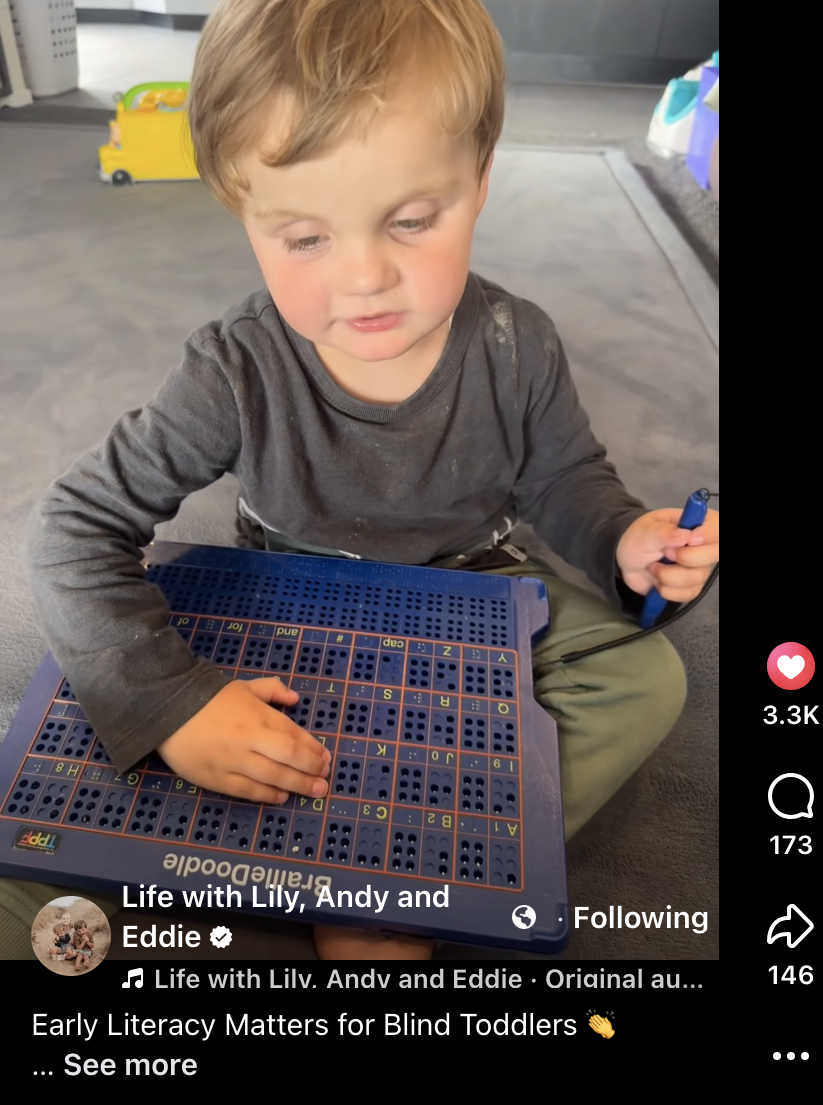
The two-sided BrailleDoodle gives learners a dedicated Braille practice side and a tactile drawing side. Its magnetic stylus raises metal balls, and users press them down to erase and start again. The Doodle Side has a 41 × 31 array of positions. The reusable design needs no batteries or screens. The current retail price is $179 USD.
Three simple classroom activities
Start with finding and comparing dot patterns in a Braille cell. Next, have a learner form a familiar letter or name and read it back through touch. Finally, pair a written Braille word with a simple tactile drawing of its meaning. Adjust each activity to the learner’s abilities and preferred methods; involve a TVI for instruction and assessment.
Resources and next steps
Explore BrailleDoodle and read What Is Braille? for context. The American Printing House for the Blind also offers educational resources for Braille learning.
Related topics: Braille literacy, tactile learning, accessible education, and inclusive art.